Your career should fit who you are. Not just what you do well.
For more than three decades, I’ve helped people understand what they bring to the table, recognize what’s keeping them stuck, and build practical paths toward work that aligns with their strengths, interests, values, and lives.
I’m a career development strategist, educator, speaker, author, and mentor. I create frameworks, ask questions, and help people turn insight into action.
Because knowing what you want is useful.
But knowing what to do next changes things.
I believe your career belongs to you.
Organizations have work that needs to get done. When you’re capable, dependable, and good at something, it’s natural for managers to keep giving you more of it.
But there’s a problem.
What you’re good at isn’t necessarily what you want to spend your career doing.
Your manager sees your skills, experience, and capacity through the lens of what the organization needs. You have to look through a different lens.
What do I want? What am I good at? What gives me energy? What do I value? What do I want to learn? How do I want to contribute? And what kind of life do I want my work to support?
Managers, mentors, colleagues, and people who know you well can offer valuable perspective. Listen to them. Learn from them. But don’t hand them the steering wheel.
You have to know yourself well enough to decide which opportunities move you toward the career you want and which ones simply make you more useful to someone else.
Your career belongs to you.
Your manager sees what you can contribute.
You have to decide where you want to grow.
I believe your career belongs to you.
Organizations have work that needs to get done. When you’re capable, dependable, and good at something, it’s natural for managers to keep giving you more of it.
But there’s a problem.
What you’re good at isn’t necessarily what you want to spend your career doing.
Your manager sees your skills, experience, and capacity through the lens of what the organization needs. You have to look through a different lens.
What do I want? What am I good at? What gives me energy? What do I value? What do I want to learn? How do I want to contribute? And what kind of life do I want my work to support?
Managers, mentors, colleagues, and people who know you well can offer valuable perspective. Listen to them. Learn from them. But don’t hand them the steering wheel.
You have to know yourself well enough to decide which opportunities move you toward the career you want and which ones simply make you more useful to someone else.
Your career belongs to you.
Your manager sees what you can contribute.
You have to decide where you want to grow.
You are unique and unrepeatable.
I first heard the phrase “unique and unrepeatable” from one of my earliest mentors, and it has shaped how I think about careers ever since. No one else brings your particular combination of strengths, experiences, interests, values, personality, ambitions, circumstances, and perspective to their work and life.
So why would there be one formula for what your career should look like?
For one person, growth means leading a larger organization. For another, it means becoming a deeply respected expert. Someone else wants to teach, create, build, advise, start something new, step away from something old, or deliberately make more room for life outside of work.
There isn’t one right direction.
There is a direction that’s right for you.
My work is about helping people see themselves and their possibilities more clearly, evaluate their options, and create practical plans for moving forward with confidence.
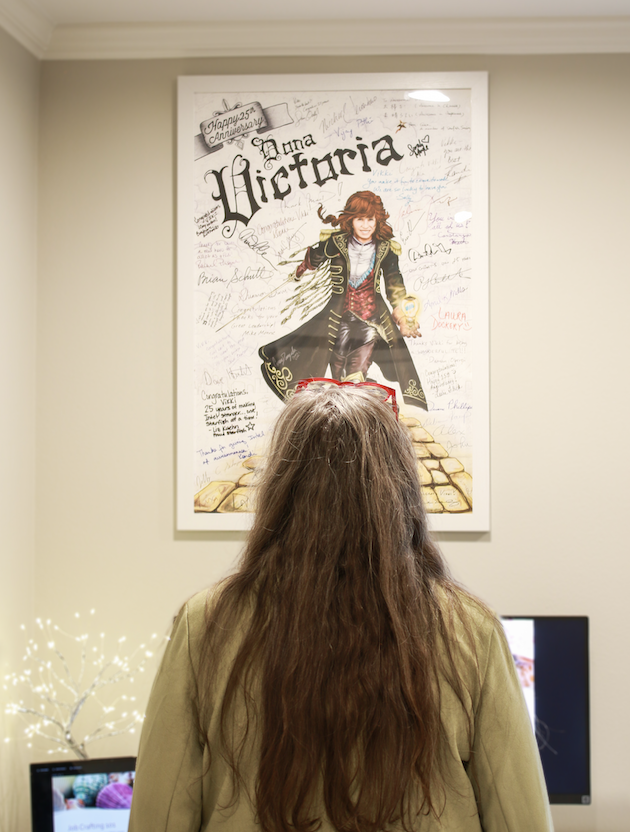
An employee once reimagined me as a swashbuckler, complete with fencing sword. My colleagues signed it. It hangs above my desk. A wonderful literal reminder that we’re all unique and unrepeatable.
I learned this from inside the workplace.
I spent more than 31 years at Intel, and I didn’t have one career there. I had many.
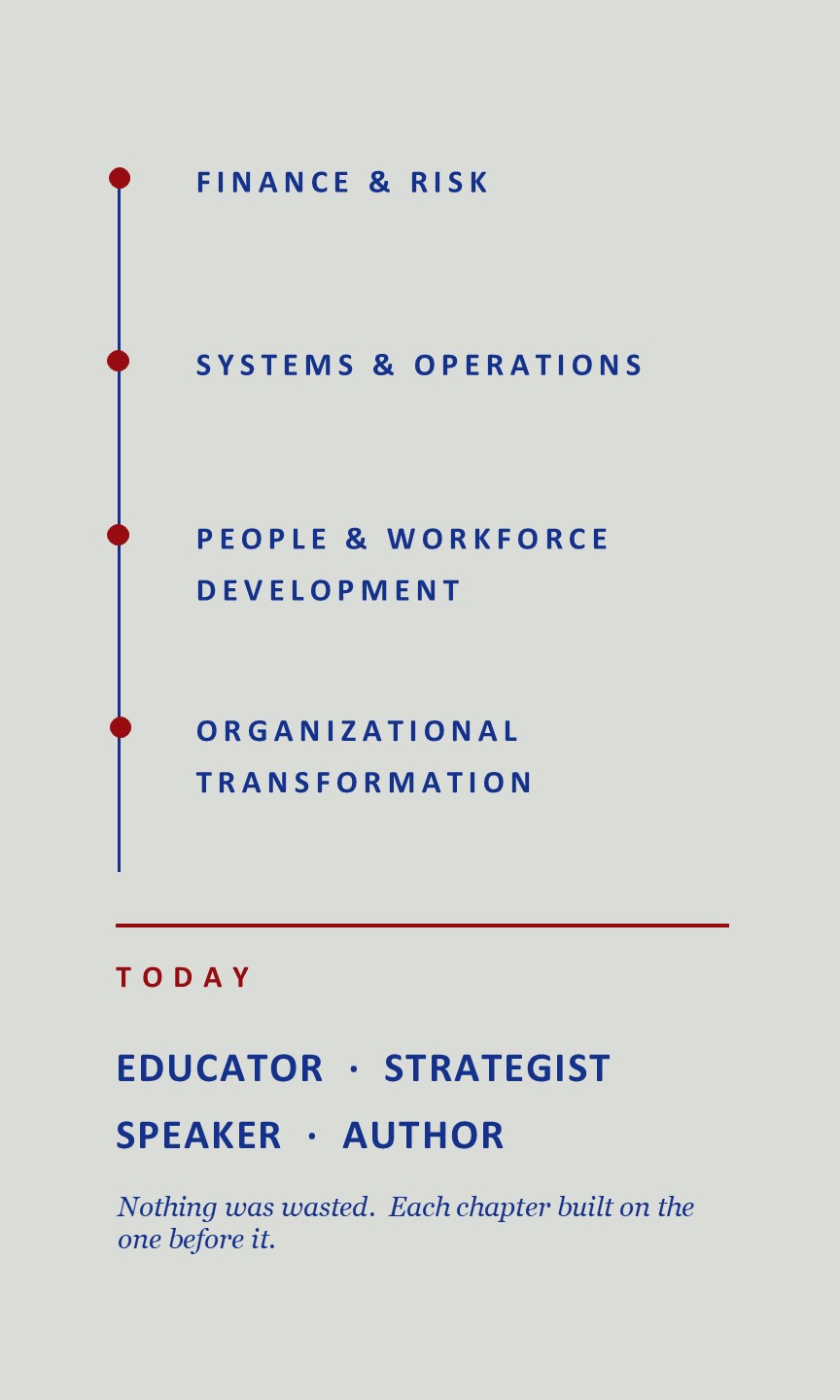
I spent nearly two decades in finance, including work in construction finance, controls, risk, systems, and operations. Over time, my career moved increasingly toward the work that energized me most: developing people, solving organizational problems, building systems, mentoring, teaching, and creating new ways for people to learn and grow.
Eventually, my work expanded into business operations, workforce development, and organizational transformation.
Along the way, I mentored thousands of people, taught career development, taught new managers how to manage, worked with employees and leaders across organizational boundaries, supported senior technical talent processes, and helped build programs designed to make opportunity and development more accessible.
My own career became an experiment in something I now teach:
You don’t have to keep doing something simply because you’re good at it.
You can learn. Pivot. Go deeper. Try something different. Reassess. And intentionally shape what comes next.
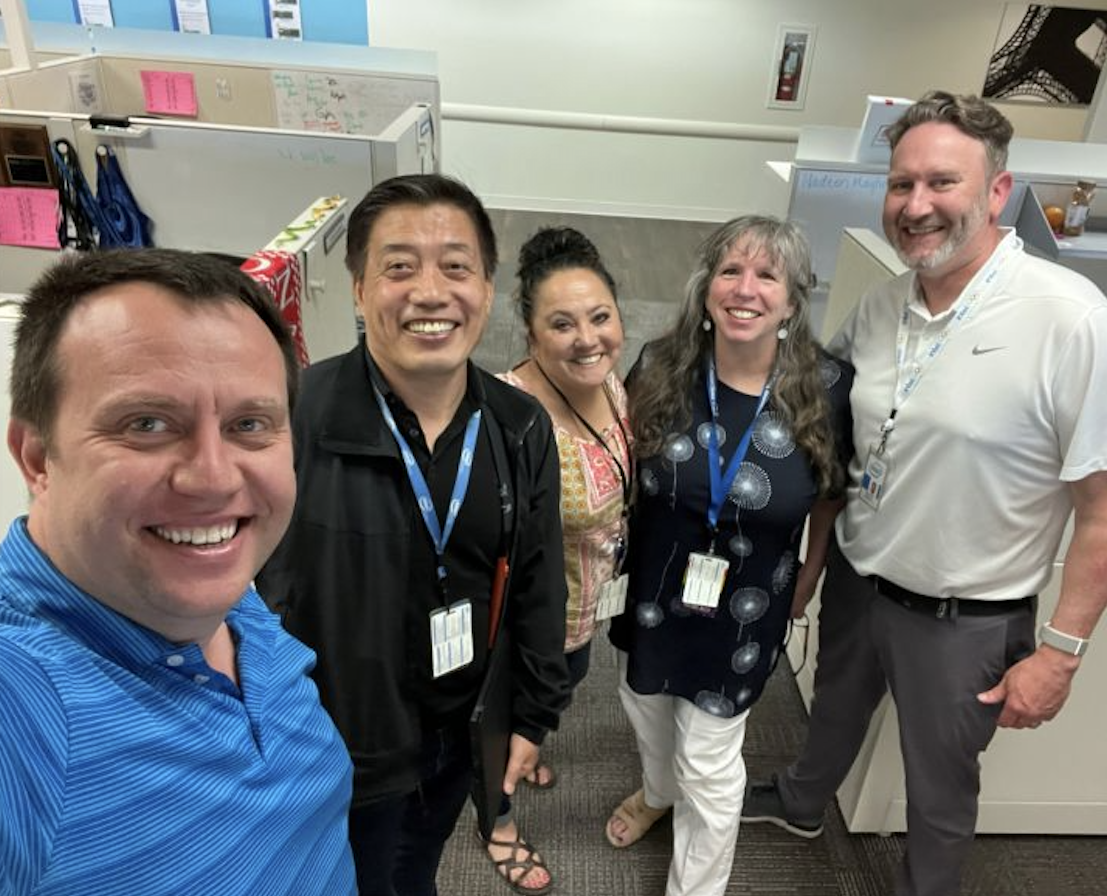
Some of my favorite leaders and colleagues from my years at Intel. A reminder that while we own our careers, we rarely build them alone.
Development isn’t only an individual responsibility.
People need to own their careers. But organizations and leaders have responsibilities too.
Good managers see more than capacity to deploy. They see a person to develop. They get curious about what their people do well, what they want to learn, where they want to grow, and how organizational needs can intersect with individual aspirations.
I’ve spent much of my career working on both sides of that equation: helping individuals take greater ownership of their development while helping leaders and organizations create better conditions for people to learn, contribute, and grow.
Insight is only useful if you can do something with it.
I’m fascinated by human development, but I’m not particularly interested in giving people inspirational advice and sending them on their way.
I want to know:
What’s actually getting in the way?
That’s where our work begins.
I ask questions. I listen. I look for patterns. I challenge assumptions. I introduce possibilities. I brainstorm. And then I help turn what we’ve discovered into frameworks, decisions, and practical next steps.
Clarity matters. But clarity plus action is where things begin to change.
Sometimes the work is…
Asking a different question.
Finding the missing information.
Recognizing a story that is no longer true.
Reconsidering an option you dismissed too quickly.
Turning one complicated question into manageable decisions.
Sometimes the path changes without asking you.
I’ve also learned that intentional careers don’t happen in perfectly controlled circumstances.
Organizations change. Jobs disappear. Bodies change. Health issues arise. Families need us. Opportunities arrive unexpectedly. Plans stop making sense.
I’ve experienced profound changes in my own life and career, including a life-altering injury, disability, retirement after more than three decades with one company, and cancer.
Those experiences deepened rather than replaced what I believe about development.
We don’t control everything that happens to us. But when circumstances change, we can take stock of what’s true now, understand what matters now, and decide how we want to move forward from here.
That’s the kind of resilience I’m interested in.
Not pretending disruption doesn’t hurt.
Adapting to what’s true now and choosing what comes next.
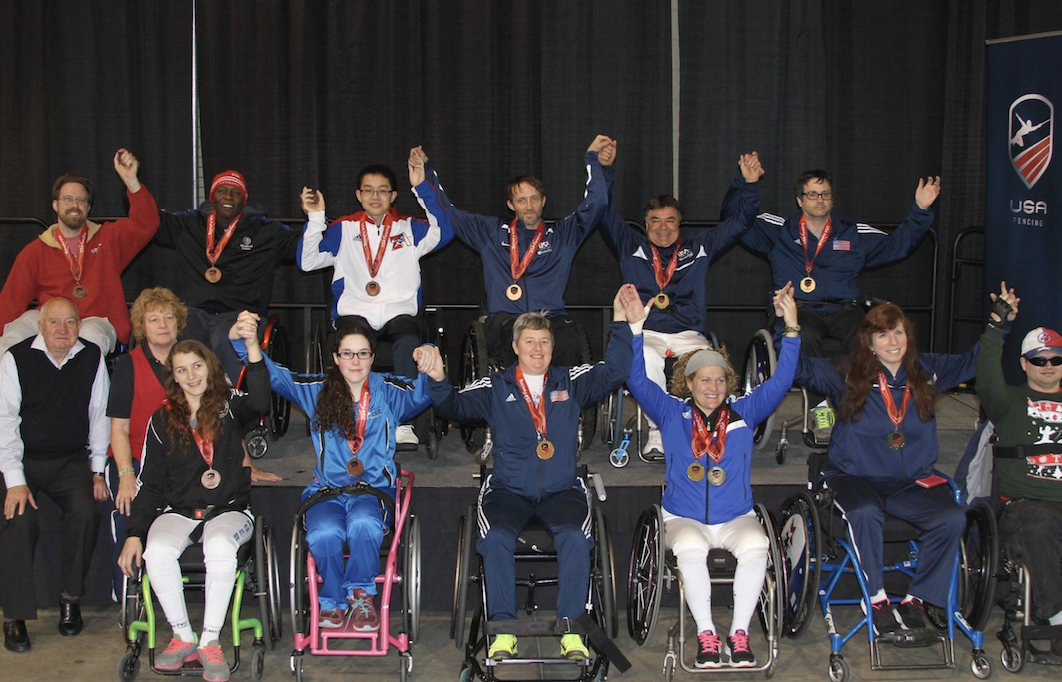
With members of the U.S. Parafencing Team in 2014. I am in the bright blue wheelchair. An unexpected chapter that changed what I understood about adaptation, identity, and what comes next.
My work today
Today, I bring together decades of organizational experience with formal study in adult learning and education.
A week after retiring from Intel, I was diagnosed with breast cancer. After completing 18 months of treatment, I returned to graduate school and earned a Master of Science in Education from Portland State University, deepening my work in adult learning, workplace development, and the transition from knowledge to capability.
I speak to organizations and professional communities about careers, resilience, leadership, and navigating change.
I design learning experiences, frameworks, and practical tools that help people build capabilities they can actually use.
I work with individuals who are trying to understand what’s next and want a thoughtful partner who will ask good questions, challenge their assumptions, and help them create a path forward.
And through my work with students, professionals, leaders, and organizations, I continue doing what has energized me for decades:
helping people see what’s possible and figure out what to do next.
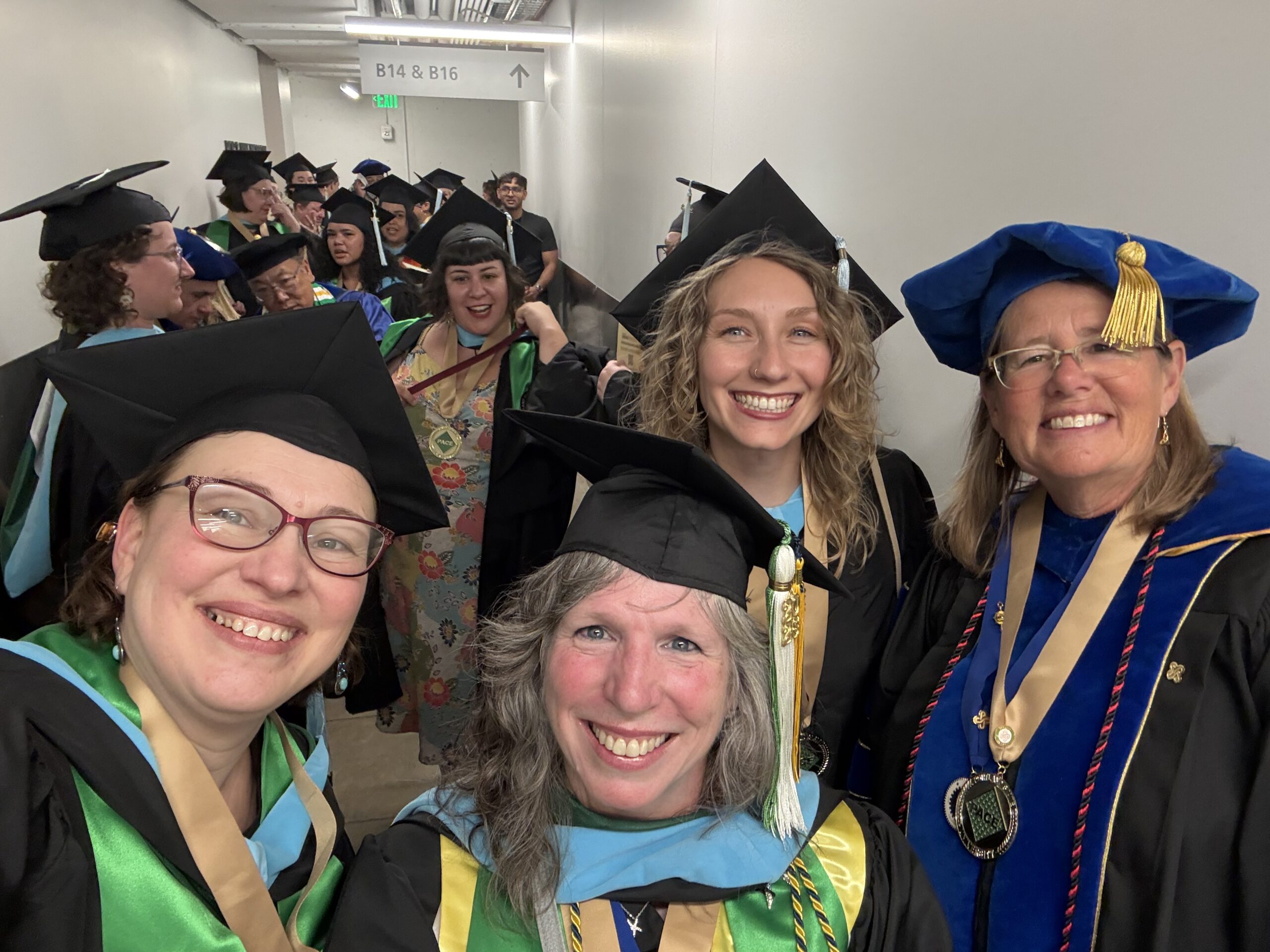
Master of Science in Education, Portland State University, 2026. Learning has always been part of how I figure out what comes next.
And there’s more to me than work.
I was born in the United States and raised in Brazil, an experience that gave me an early appreciation for perspective, culture, and the fact that there is almost always more than one way to see something.
I’m a wife, mom, writer, lifelong athlete, former Team USA parafencer returning to competition, Pilates devotee, weight lifter, reader, question-asker, and chronic maker of practical lists.
I like smart conversations, complicated problems, people who are willing to learn, and ideas that can actually be used.
At this stage of my own career, I’m also practicing what I’ve spent years encouraging other people to do:
Choosing deliberately what I want my next chapter to contain.
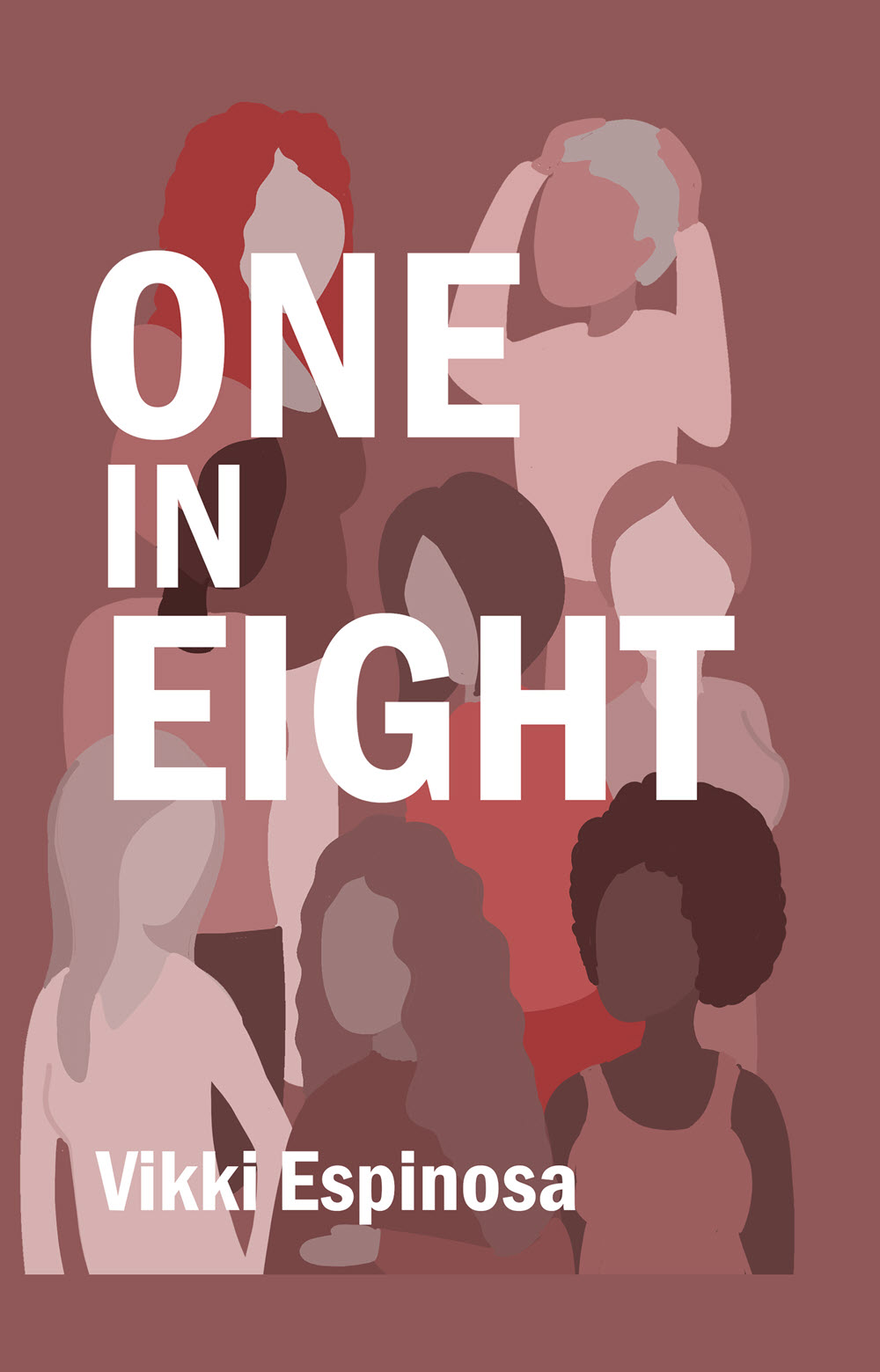
What’s next for you?
You don’t need to have your entire path figured out.
Sometimes you just need enough clarity to take the next intentional step.